
Claims and Benefits: LipoVive is marketed as a dietary weight-loss support formula that targets metabolism and digestion. According to the company, its “carefully crafted” formula supports metabolic processes by boosting thermogenesis (heat production) and fat burning, while also promoting healthy digestion and nutrient absorption. In practice, the brand claims LipoVive helps increase energy levels, enhance fat metabolism, and regulate appetite. For example, its materials state that ingredients were chosen for “promoting fat burning, increasing energy levels, and supporting appetite control”. The product also says it can aid appetite control and make it easier to maintain a balanced diet. In their launch announcement, LipoVive notes it “works to support appetite control… [and] aids in digestion by supporting gut health and improving nutrient absorption. The overall claim is that LipoVive can help people burn fat more efficiently and feel satisfied with less food, as part of a healthy diet and exercise regimen.
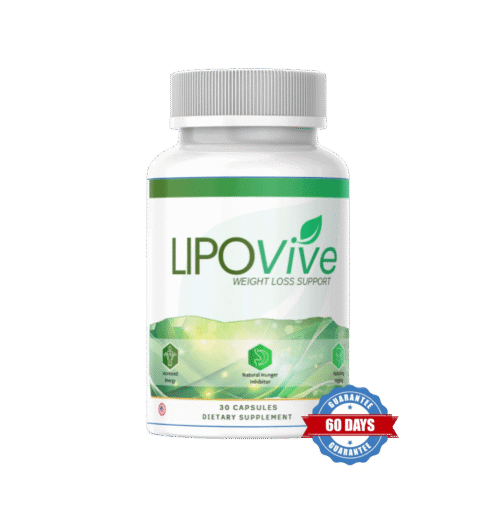
Lipovive
Formulation and Positioning: LipoVive is positioned as a natural, science-inspired supplement that focuses on ingredients rather than stimulants or drugs. Official statements emphasize an “ingredient-first” design with recognizable botanical and nutrient components. For example, press materials say LipoVive “emphasizes natural compounds, transparency, and clean design”, avoiding synthetic fillers.
The formula is described as a blend of plant extracts and key nutrients chosen to support metabolic and hormonal health. Key ingredients listed include green tea extract (an antioxidant linked to fat burning), Garcinia Cambogia (a fruit extract for appetite control), natural caffeine (for stimulant-free energy), and chromium (a mineral for blood sugar regulation).
An official report highlights six main actives – magnesium, zinc, chrysin, Tribulus terrestris, Chinese hawthorn, and saw palmetto – selected to support insulin sensitivity, appetite regulation, thermogenesis and body-temperature balance. This reflects the brand’s strategy of mimicking the hormonal effects of drugs like GLP-1 agonists through natural means, aiming to boost the body’s own satiety and metabolism signals rather than using pharmaceuticals.
The company explicitly contrasts LipoVive with typical “stimulant-heavy” diet pills. Its GLP-1 report stresses a non-stimulant approach: instead of caffeine or harsh thermogenics, the formula uses botanical extracts to gently raise core body temperature and activate metabolism without jitters. This positioning is echoed in a TikTok/Reddit release, which notes that LipoVive “highlights clean sourcing” and works without synthetic chemicals. In short, LipoVive is marketed as a natural, thermogenic-support supplement that uses herbs and nutrients to manage weight at the cellular level.
Brand Tone and Messaging: The overall branding is wellness-oriented and science-minded, rather than hard-core or clinical. Promotional materials use a calm, explanatory tone, focusing on research, “clean” labels, and lifestyle integration. For instance, the company materials emphasize that LipoVive is “science-inspired” and fits into a 2025 trend of ingredient-focused, hormone-balancing products. They stress transparency: LipoVive “frames its purpose within the public’s demand for clarity” and highlights recognizable, “premium” ingredients. The messaging avoids hype, instead referring to LipoVive as a tool within a broader wellness routine. A recent press piece explicitly states the brand avoids “exaggerated promises,” preferring a “straightforward presentation” centered on metabolic balance. This tone aligns with natural‑wellness marketing: it’s neither clinical/legalistic nor aggressively dramatic, but moderately aspirational (e.g. “achieve sustainable weight loss, boost energy, and improve wellness naturally”).
Target Audience: LipoVive is targeted at adults of any gender who want a natural boost in weight management and metabolism. Company statements say the product is crafted for “everyone… for both men and women” and for people seeking a “natural and effective way to manage weight”. In practice, it is pitched especially to those frustrated by slow metabolism or yo-yo dieting. The launch PR notes it is ideal for people who want to “lose a few pounds or maintain a healthy weight” without extreme diets or chemicals. The brand also connects with “biohackers” and wellness enthusiasts looking for sustainable routines – for example, those interested in hormone and gut health. In sum, LipoVive is aimed at health-conscious adults (both men and women) who want gentle metabolic support, including those who may have struggled with weight loss in the past and prefer plant-based, metabolism‑focused supplements.
A Deep Dive into Lipovive Ingredients
Green Tea (Camellia sinensis)
Green tea comes from the unfermented leaves of the Camellia sinensis plant, prized for its polyphenolic catechins (especially EGCG) and caffeine. Research suggests green tea extract can modestly improve body composition: a 2024 meta‑analysis of RCTs found green tea extract significantly reduced body weight, BMI, and body fat percentage, and increased antioxidant markers and adiponectin (an insulin‑sensitizing hormone).
However, a Cochrane review noted that Western RCTs often show little weight change from green tea, with most effects being small (sometimes significant only in certain subgroups like Japanese subjects).
Side effects of green tea are generally mild at normal doses (up to ~1–2 g extract/day is well tolerated), but high-dose extracts can cause insomnia, jitteriness, nausea or headache (largely due to caffeine). Rarely, very high-dose supplements have been linked to liver enzyme elevations. Green tea’s caffeine and catechins make it most suitable for those seeking a mild metabolic boost or antioxidant support (such as overweight individuals beginning diet/exercise). It often synergizes with other thermogenic or antioxidant ingredients – for example, combining green tea catechins with ginger and cinnamon can amplify fat oxidation, and its polyphenols complement resveratrol’s effects on longevity pathways.
Apple Cider Vinegar (Fermented apple acetic acid)
Apple cider vinegar (ACV) is the fermented juice of apples, high in acetic acid. In traditional diets it has been used to ease digestion and blood sugar control. Recent human trials suggest ACV can aid short-term weight management: a 2025 meta‑analysis of 10 RCTs (n≈789, often 4–12 weeks, ~30 mL/day) found ACV supplementation led to significant reductions in body weight, BMI, and waist circumference in overweight, obese or T2DM adults. ACV may work in part by improving insulin sensitivity and slowing gastric emptying, thereby bluntting post-meal glucose spikes. In practical terms, ACV might be most helpful for overweight users with insulin resistance or prediabetes who tolerate mild acetic acid.
Side effects of ACV arise from its acidity: it can irritate the throat or stomach, erode tooth enamel, and (in high doses) lower blood potassium. Large daily intakes have rarely caused hypokalemia or even osteoporosis over years (case reports). ACV may also interact with medications (e.g. enhancing the blood‑sugar lowering effect of insulin/diabetes drugs or potassium‑wasting diuretics). To use safely, dilute ACV (e.g. 1–2 tbsp in water), and limit intake (~30 mL/day).
ACV pairs well with other glucose‑modulating ingredients. For instance, combining ACV with cinnamon and berberine (all of which improve insulin sensitivity) could offer complementary blood‑sugar control. In Lipovive, ACV’s mild appetite‑suppressing and glycemic effects likely augment the cinnamon and berberine, making this blend suited for metabolic syndrome or insulin-resistant individuals.
Berberine HCL (Plant Alkaloid)
Berberine is a bright yellow alkaloid extracted from plants like goldenseal, Oregon grape, and barberry (used traditionally in Chinese medicine). It activates AMP‑kinase and insulin signaling, giving it metformin‑like effects. A systematic review/meta-analysis found that berberine alone significantly improves multiple metabolic markers: it lowers triglycerides, total and LDL cholesterol and raises HDL, while also reducing insulin resistance and fasting glucose. In practical terms, berberine often leads to improvements in glucose and lipid profiles in type 2 diabetics or those with metabolic syndrome. Some studies also note modest weight or fat-loss benefits in humans, likely secondary to better metabolic control.
Side effects of berberine are mostly digestive: common complaints include nausea, abdominal discomfort, constipation or diarrhea. These are usually mild and dose‑dependent – starting with a low dose (e.g. 500 mg once daily) and titrating up can improve tolerance. Berberine can interact with many drugs (it’s metabolized by CYP enzymes), so caution is advised if taking prescription medications. Pregnant/nursing women and young children should avoid berberine due to lack of safety data.
Berberine is ideally suited for users with elevated blood sugar, diabetes or dyslipidemia. In weight‑loss blends, it complements other ingredients targeting glucose control (like cinnamon or ACV). For example, berberine + cinnamon + ACV might synergize to amplify insulin sensitivity. It may also work well alongside green tea or resveratrol (which improve metabolism and inflammation), but caution combining with other stimulants is wise.
Banaba Leaf (Lagerstroemia speciosa)
Banaba leaf comes from a tropical tree (native to the Philippines) and has been used traditionally to treat diabetes. Its active component, corosolic acid, has “insulin‑like” effects. In animal studies, banaba extract significantly reduced weight gain and fat accumulation: for instance, diabetic mice fed banaba had lower body-weight gain and liver triglycerides than controls. Human evidence is sparse. Small trials and reviews suggest banaba may help improve blood sugar and lipids, but effects on weight per se are not well-documented in humans.
As far as safety, banaba is generally well-tolerated; no major adverse effects have been reported in standard doses (studies note no significant liver or GI issues). However, because human data are limited, one should use banaba cautiously and consult a doctor if on diabetes medication.
Banaba’s primary niche is blood sugar control. It may especially benefit those with type 2 diabetes or metabolic syndrome, alongside berberine and cinnamon. In a formula, banaba’s glucose‑modulating action synergizes with cinnamon’s insulin‑sensitizing effects and berberine’s metformin‑like action. Together they target the multi-faceted nature of insulin resistance.
Cinnamon Bark (Cinnamomum spp.)
Cinnamon bark (often from Ceylon or Cassia cinnamon trees) is a warm spice known for cinnamaldehyde and polyphenols that can improve insulin function. Clinical studies and reviews indicate cinnamon modestly lowers blood sugar and may aid weight loss. For example, one systematic review found cinnamon supplementation led to a small but statistically significant reduction in body weight (around –1.0 kg on average) and improvements in metabolic markers, especially in obese subjects over longer durations. Additionally, cinnamon has been shown to improve fasting glucose and lipid profiles in diabetics.
Most people tolerate cinnamon well. However, high doses (especially of Cassia cinnamon) carry cautions: Cassia cinnamon contains coumarin, which in excess can harm the liver or interact with blood thinners. One case report linked very high cinnamon supplement intake to acute hepatitis. Other potential side effects include mouth sores or allergic reactions (rare). Typical dietary or supplement doses (around 1–4 g/day) are considered safe for most, but those with liver disease or on anticoagulants should consult a doctor.
Cinnamon is particularly useful for insulin resistance and PCOS. It can complement berberine and ACV to stabilize blood glucose. In Lipovive, cinnamon’s warming, thermogenic spice also pairs well with ginger and green tea for metabolic boost. Its synergy with ginger/cinnamon combinations can enhance digestion and insulin sensitivity (e.g. ginger aids digestion while cinnamon modulates glucose). In sum, cinnamon is a gentle glucose‑balancer that supports weight loss, especially in carb-sensitive users.
Fresh ginger rhizomes (Zingiber officinale), a warming root used as a spice and metabolic aid.
Ginger Root (Zingiber officinale)
Ginger is the spicy rhizome of a flowering plant, used widely in cooking and traditional medicine. Modern research suggests ginger can aid weight management: a 2019 meta-analysis of 14 RCTs (473 subjects) reported that ginger supplementation significantly reduced body weight, waist-to-hip ratio, fasting glucose and insulin resistance, and raised HDL cholesterol. In other words, ginger helped users lose a bit of weight and improved several metabolic markers. The effect on total BMI was not statistically significant in that analysis, but the overall trends favor modest benefit.
Ginger’s active compounds also increase thermogenesis and fat oxidation, and can curb appetite. It’s often recommended for people who feel cold easily or who want an anti-inflammatory boost (ginger’s compounds counteract chronic inflammation, a driver of metabolic syndrome).
Side effects of ginger are usually mild. In culinary amounts it’s very safe; in supplemental doses (2–4 g/day) some report heartburn, stomach discomfort, or belching. Ginger can also act as a mild blood thinner; extremely high doses might increase bleeding risk in sensitive individuals. Otherwise it’s generally safe for most.
Ginger is great for boosting metabolism and easing digestion. In Lipovive, it synergizes with green tea and ginseng to stimulate energy expenditure, and with cinnamon to warm the formula. By itself or together, ginger and green tea can ramp up fat burning during exercise. Because ginger improves insulin sensitivity and glucose metabolism, it dovetails nicely with the formula’s blood‑sugar ingredients (cinnamon, berberine, etc.).
Korean (Panax) Ginseng
Korean ginseng (Panax ginseng) is an “adaptogenic” root used for centuries in Asia to enhance vitality. Its active ginsenosides influence energy metabolism and stress adaptation. Animal and in vitro studies show Panax ginseng can activate AMPK (an energy sensor) and increase fat breakdown. However, well-controlled human trials on weight loss are scarce and inconclusive. A 2017 review noted anti-obesity effects in rodents, but “paucity of evidence” for such effects in humans. Some small human studies suggest mild benefits on glucose control and energy, but results vary.
Side effects of Panax ginseng are generally mild but notable. It can cause insomnia, nervousness or headaches in some people (especially if taken in high doses or with caffeine). Rarely it may raise blood pressure or cause euphoria. Some women report breast tenderness or vaginal bleeding when using ginseng (likely due to its hormonal effects). Panax ginseng should be used cautiously by those with hormone-sensitive conditions or by pregnant women (safety not established). It also has antiplatelet effects, so people on blood thinners should use caution.
Ginseng is best for fatigue, stress-prone, or “stress‑eaters” who need an energy lift. In a weight‑loss formula, it pairs with other thermogenics (ginger, green tea caffeine) to counteract fatigue from dieting. Because ginseng can stimulate energy expenditure, it complements green tea’s metabolism boost. Note: combining ginseng with other stimulants (like green tea or ginger) may amplify jitteriness, so users sensitive to stimulants should start low.
Resveratrol (Polygonum cuspidatum/grape polyphenol)
Resveratrol is a polyphenol found in grape skins, red wine, and certain berries, famed for its potential anti-aging effects. It activates the SIRT1 pathway (mimicking some effects of calorie restriction) and can improve insulin sensitivity. A meta-analysis of 36 RCTs found that resveratrol supplementation significantly reduced body weight, BMI, waist circumference and fat mass, while increasing lean mass – especially in obese patients. In other words, resveratrol led to modest weight loss and body-composition improvements in the trials analyzed.
Resveratrol’s other benefits include improved glucose metabolism, reduced inflammation, and better lipid profiles. It is generally well-tolerated: even high doses (up to a few grams per day) are usually safe in the short term, though they may cause mild stomach upset or diarrhea in some people. Since resveratrol has mild blood-thinning effects (like aspirin), those on anticoagulant medication should be cautious.
This ingredient is ideal for users focused on metabolic health and longevity. In Lipovive, resveratrol’s antioxidant and SIRT1‑activating actions complement green tea’s polyphenols and berberine’s metabolic effects. The combination of resveratrol + green tea can amplify anti-inflammatory and mitochondrial benefits. Overall, resveratrol helps optimize the fat-burning effects of the formula while protecting against metabolic stress.


Nutritionist | Dietetics Expert | Wellness AdvocateSumita Bhatti is a certified nutritionist and dietetics expert with over 8 years of experience helping individuals transform their health through sustainable dietary practices. With a passion for evidence-based wellness, she specializes in personalized nutrition plans, weight management, and therapeutic diets for conditions like PCOS, diabetes, and gut health disorders.Her writing reflects a blend of scientific accuracy and practical, everyday advice—empowering readers to make informed choices about food, supplements, and lifestyle habits. Whether you're aiming for a healthier routine, better digestion, or long-term wellness, Sumita brings clarity and credibility to every topic she covers.When she’s not consulting clients or crafting detailed nutrition guides, Sumita enjoys researching Ayurvedic approaches, plant-based living, and the evolving science of micronutrients.